Rodent - Rats
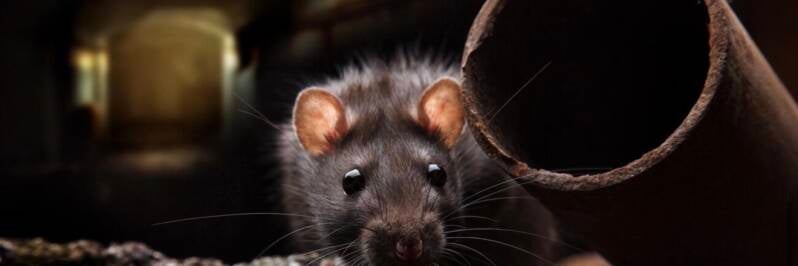
(Rattus norvegicus)
Brown rats usually prefer ground living and burrowing, but sometimes they can be known to climb.
Appearance
The brown rat is up to 40 cm in length, with a tail shorter than the head and body.
It grows up to between 350–500g in weight.
It has a blunt nose, small ears and a thicker body when compared to the Black Rat also known as the roof rat (Rattus rattus).
Lifecycle
Rats have 7–8 young per litter, and between 3–6 litters a year.
The gestation period is about 3 weeks.
It only takes 10–12 weeks from birth to reach sexual maturity.
Habits
Preferred food is cereals, although they are omnivorous.
They will eat around 30g of food a day and drink 60ml.
Signs of Rodent Rats
Rat Droppings - tend to be found in concentrated areas as rats produce up to 40 droppings per night. Brown rat droppings are dark brown in a tapered, spindle shape resembling a large grain of rice.
What to look for (signs)
Scratching Noises - black rats in particular are agile climbers, earning them their common name - the roof rat. They can easily gain access into loft spaces and upper floors of buildings, so scratching noises at night may suggest their presence. Brown rats on the other hand, are less adept climbers. You may hear them scurrying under decking, sheds and floorboards. They are more likely to be identified by a grinding noise they make with their teeth known as bruxing.
Footprints (running tracks) - Rats leave foot and tail marks in dusty, less-used areas of buildings. Shining a strong torch at a low angle should reveal tracks clearly. To establish if a rat infestation is active, sprinkle fine flour or talc along a small stretch of floor near the footprints and check for fresh tracks the next day.
Rub Marks - rats use established routes along skirting boards and walls due to their poor eyesight. Grease and dirt on their bodies leave smudges and dark marks on both objects and surfaces they repeatedly brush against. These marks may indicate rodent activity, but as smears may remain for a long period of time, they are not a good gauge of an active infestation.
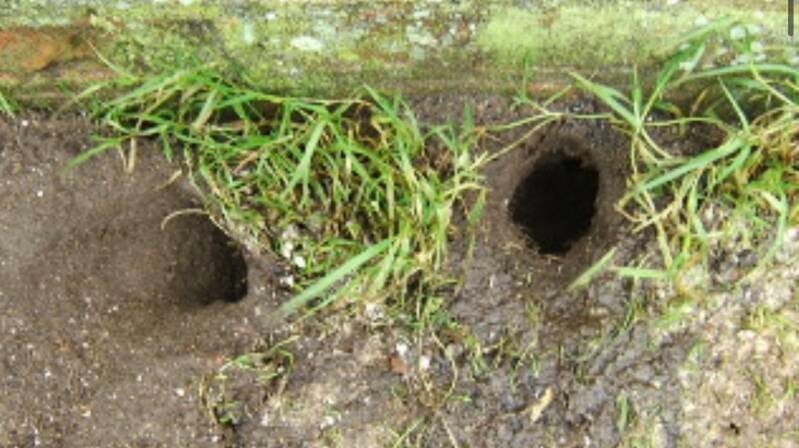
Rat holes - brown rats are well known for digging and excavating extensive burrow systems for shelter, food storage and nesting. They build rat burrows next to solid objects or structures (decking, garden sheds, garages etc.) and rat holes are also found in secluded, well vegetated areas such as gardens and wasteland.
Rat Nests - not only will they nest in burrows, rat nests can be found in lofts, attics, crawlspaces, under eaves and even in cavity walls. They will shred available materials such as loft insulation, cardboard and other soft items to make nests.